
What Should You Do if You Find a Wild Animal?
If you come across a baby bird on the ground or a young animal by itself, your first instinct may be to help. But in many cases, these animals are healthy, not abandoned, and exactly where they’re supposed to be.
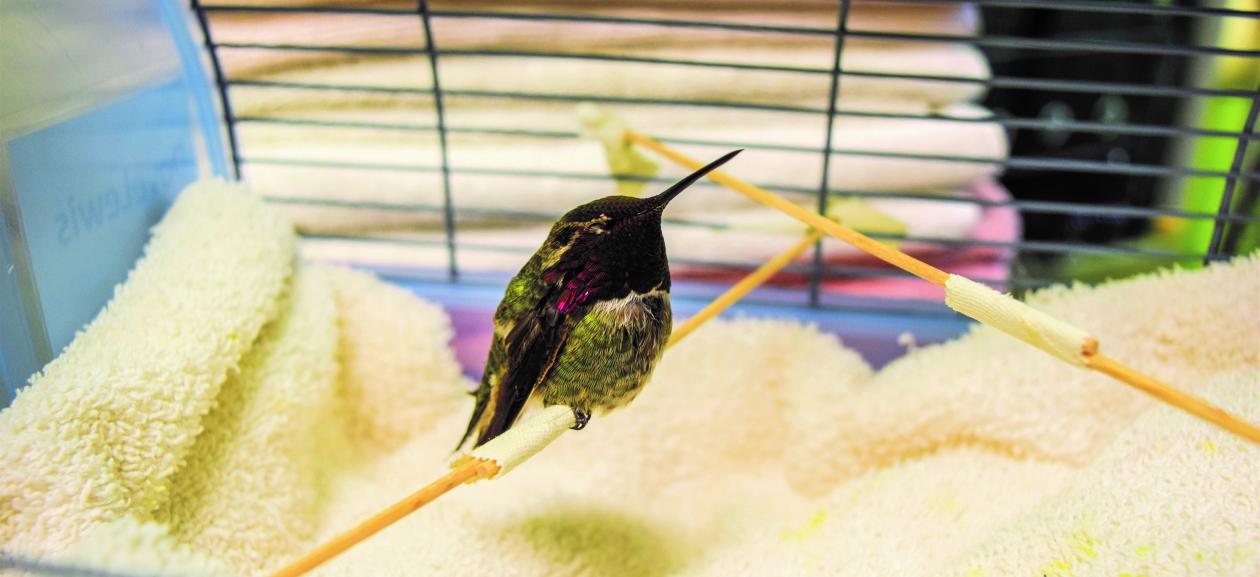
Every year, we provide stabilizing care for thousands of sick and injured wild animals through our Wildlife Program, with rehabilitation partners like Bird Alliance of Oregon helping support recovery and release. During spring and summer, however, we also see a surge in healthy young wildlife mistakenly picked up by well-meaning people.
“When you find a young animal alone, it does not always mean it needs to be rescued,” says Dr. Kelly Flaminio. “Many parents intentionally leave their young for periods of time while they forage nearby. This is a normal and important part of how they learn and grow.”
DoveLewis is encouraging the community to pause before intervening and remember that sometimes the best way to help wildlife is to leave them alone.
“We need your help to make sure our wildlife is not being disturbed unless medically necessary. These tips are a small way to support these beautiful animals.” says Dr. Flaminio.
What Should You Do if You Find a Wild Animal?
Call the experts.
If you find a wild animal, call the Bird Alliance of Oregon at 503-292-0304 first. Its Wildlife Care Center is open every day from 9 a.m. to 5 p.m. If you come across a sick or injured animal in the evening or on the weekends, call DoveLewis at 503-228-7281 for help on next steps.
Factors such as staff capacity and the current avian influenza can impact which animals are able to be cared for.
Limit your contact with the animal.
Wild animals become incredibly stressed by human interaction. If the animal does need help, try to limit handling to only what is necessary to safely contain and transport it. Reducing noise, touch, and exposure can help lower stress for the animal.
Safely contain the animal.
If the animal is clearly injured or sick and transport has been recommended, use a towel, blanket, or thick gloves to protect both yourself and the animal while handling it.
“You want to put as much of a barrier between you and the animal as possible,” says Dr. Flaminio. “You still don’t know the personality of this animal or how it will react to you approaching it.”
Place the animal in a secure, ventilated box or pet carrier and keep it somewhere quiet, dark, and warm until transport. Even animals that seem calm or stunned may suddenly try to fly or escape once they become more alert.
Do not give the animal food or water.
While it may feel helpful, offering food or water to a sick or injured wild animal can actually be dangerous. Animals that are weak, injured, or in shock may not be able to safely process food or liquids, and giving water can accidentally cause aspiration.
The most helpful thing you can do is often simple: slow down, assess from a distance, and contact a wildlife professional before intervening. For more resources on the next steps to take if you come across a wild animal, visit the Bird Alliance of Oregon's website.

Recent Posts
Halloween Pet Safety Tips
Fright night might be fun for humans, but it can be frightfully scary—and even dangerous—for pets. Veterinarians at DoveLewis want to remind pet owners to be mindful of the various ways Halloween can pose a threat to animals.