
Snowy Walks & Hidden Hazards: How to Keep Your Pet Safe
Winter can be a magical time for pets, with snowy landscapes and crisp air making walks extra enjoyable. But along with the fun, snow and ice can hide unexpected dangers that may harm your pet. Being aware of these risks and taking a few precautions can help ensure safe outdoor adventures.
Hidden Hazards in Snow and Ice
Snow may look soft and harmless, but it can conceal objects and create conditions that increase injury risk:
- Sharp Objects: Nails, broken glass, metal scraps, or sticks can hide under snow or ice. Stepping on these can puncture paw pads, causing pain, bleeding, or infection.
- Ice and Slippery Surfaces: Pets can slip on ice, leading to sprains, strains, or fractures—especially in older dogs.
- Frozen Water Hazards: Snow can cover ponds or puddles with ice that may break under a pet’s weight.
- Hidden Chemicals: Rock salt, de-icers, and even antifreeze can irritate paws or be toxic if ingested.
A Real Example: Bowie’s Snow Day Surprise
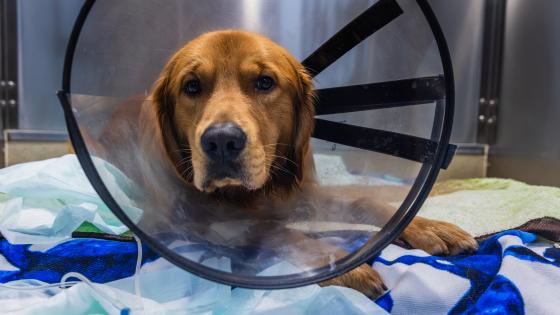
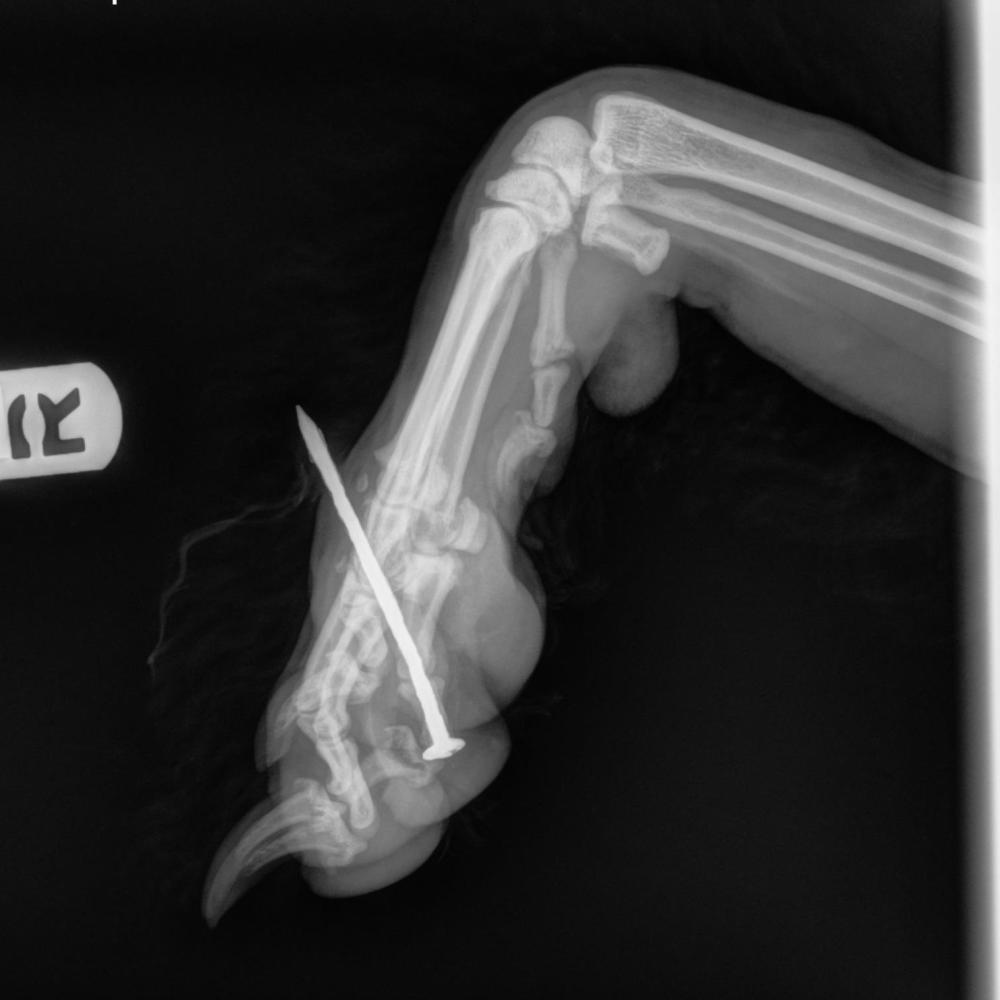 Bowie, a playful goldendoodle, was playing in the snow when his family noticed him limping and brought him to DoveLewis for help. Turns out, Bowie had stepped on a hidden nail beneath the snow. Our team removed the nail, cleaned and treated the wound, and started him on pain medication and antibiotics. Thanks to his family's quick response, Bowie recovered fully and was back to enjoying snowy outings—this time with a little extra caution.
Signs Your Pet May Be Injured
Pets can’t always tell us when something hurts, but you might notice:
- Limping or holding up a paw
- Cuts, bleeding, or bruising
- Hesitation to walk, run, or play
- Swollen, red, or warm areas on a paw or limb
Early care can keep small injuries from turning into bigger problems.
Tips for Keeping Pets Safe
- Inspect Walking Areas: Stick to cleared paths and avoid deep snow where debris may hide.
- Protective Gear: Booties can shield paws from sharp objects, ice, and chemicals—if your pet tolerates them.
- Rinse Paws After Walks: Wipe or rinse paws to remove chemicals or debris hidden in fur.
- Keep Leashed in Unknown Areas: Snow can obscure hazards, making leash control important.
- Carry a Small First-Aid Kit: Antiseptic wipes, gauze, and bandages can help with minor injuries.
If your pet shows signs of injury such as limping, swelling, or bleeding, contact your veterinarian or DoveLewis, which is available 24/7. Immediate care ensures your pet stays happy and healthy—just as Bowie did after his snow day mishap.