
Dog Knee Injuries: Causes, Signs, and TPLO Surgery Explained
If your dog suddenly starts limping, struggles to jump on the couch, or seems hesitant to run and play, it can be alarming. One of the most common causes of these issues is a cranial cruciate ligament (CCL) injury, the canine equivalent of a human ACL tear. Certain breeds, like Labradors and Rottweilers, as well as overweight or highly active dogs, are more prone to these injuries.
For many dogs, TPLO (Tibial Plateau Leveling Osteotomy) surgery may be the solution—but understanding how these injuries happen is the first step toward prevention and early treatment.
What is the Cranial Cruciate Ligament (CCL)?
Think of the CCL as the “stabilizer” of your dog’s knee. It keeps the joint steady when your dog walks, runs, jumps, or changes direction quickly.
When the ligament tears or weakens, the knee becomes unstable. This leads to pain, limping, swelling, and difficulty moving. In severe cases, even short walks or jumping onto furniture can become challenging.
How Do CCL Injuries Happen?
CCL injuries in dogs often occur in two main ways:
Acute Trauma
A sudden slip, awkward jump, or quick twist while running can tear the ligament. Even a small misstep while playing can cause a serious injury.
Chronic Degeneration
In many dogs, especially middle-aged or older ones, the ligament gradually weakens over time. This makes the knee more susceptible to tears, sometimes without a single obvious accident.
Signs Your Dog Might Have a Knee Injury
Even subtle changes in movement can be a warning sign:
- Limping or favoring one leg
- Difficulty standing up or jumping
- Swelling or thickening of the knee
- “Clicking” or popping noises in the joint
- Hesitation to run, climb stairs, or play
If you notice any of these, it's important to see a veterinarian.
Why TPLO Surgery May Be Recommended
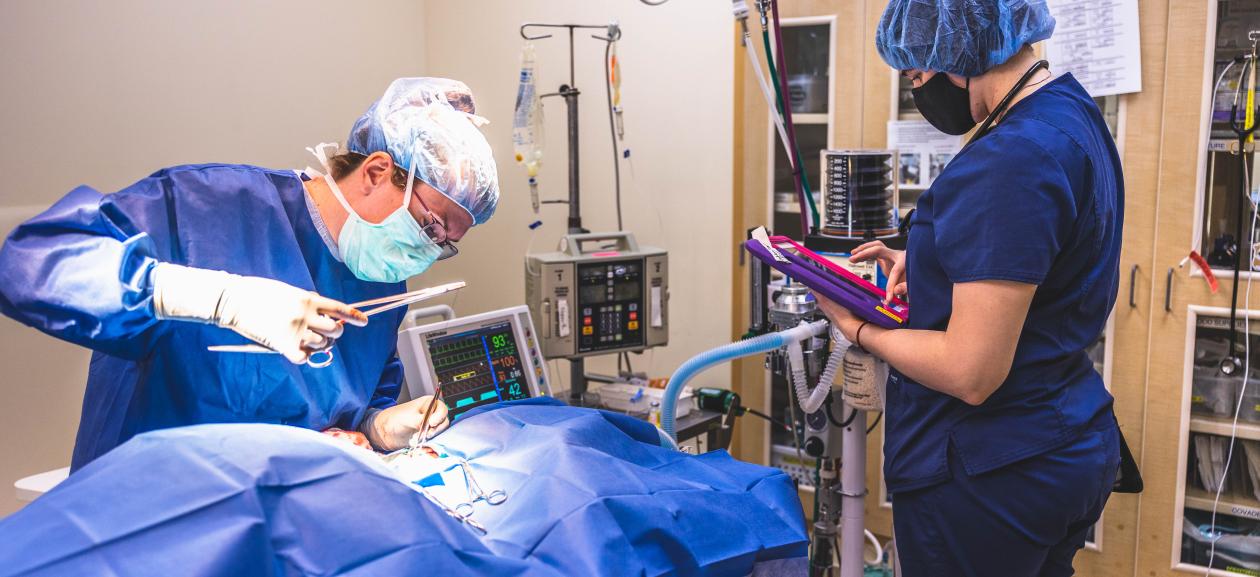
When a CCL injury is severe, your veterinarian may recommend Tibial Plateau Leveling Osteotomy (TPLO) surgery. This procedure stabilizes the knee without relying on the damaged ligament, allowing dogs to regain mobility, reduce pain, and return to normal activities.
TPLO surgery is especially common for medium and large dogs, or any dog whose daily activities put extra stress on the knee. Recovery includes rehabilitation and limiting activity so the joint can heal properly. With time, most dogs are able to run, jump, and play again with confidence.
Prevention and Early Detection Tips
You can’t prevent every knee injury, but there are steps to reduce the risk and catch problems early:
- Maintain a healthy weight to reduce stress on your dog’s knees
- Limit high-impact activity, especially on hard surfaces
- Schedule regular veterinary checkups, particularly for breeds prone to knee injuries
- Watch for subtle changes in walking, running, or jumping
The Takeaway
Knee injuries are common, but they don’t have to be permanent. Understanding CCL tears, recognizing early signs, and knowing about treatments like TPLO surgery can make a huge difference in your dog’s comfort and quality of life.
If your dog is limping or showing signs of knee pain, contact your veterinarian. Our DoveLewis surgery team provides expert care for a wide range of conditions, and with the addition of a fourth board-certified surgeon, we now offer expanded orthopedic expertise. Early evaluation helps pets get back to running, jumping, and enjoying life comfortably.