
Signs of Heart Disease in Cats and Dogs
Just like people, pets’ hearts can face health challenges. Some issues are present from birth, like congenital heart defects, while others develop over time, such as heart murmurs, arrhythmias, or heart failure. Because early signs of heart disease can be subtle, paying attention to small changes in your pet’s behavior or energy can make a big difference in catching problems early.
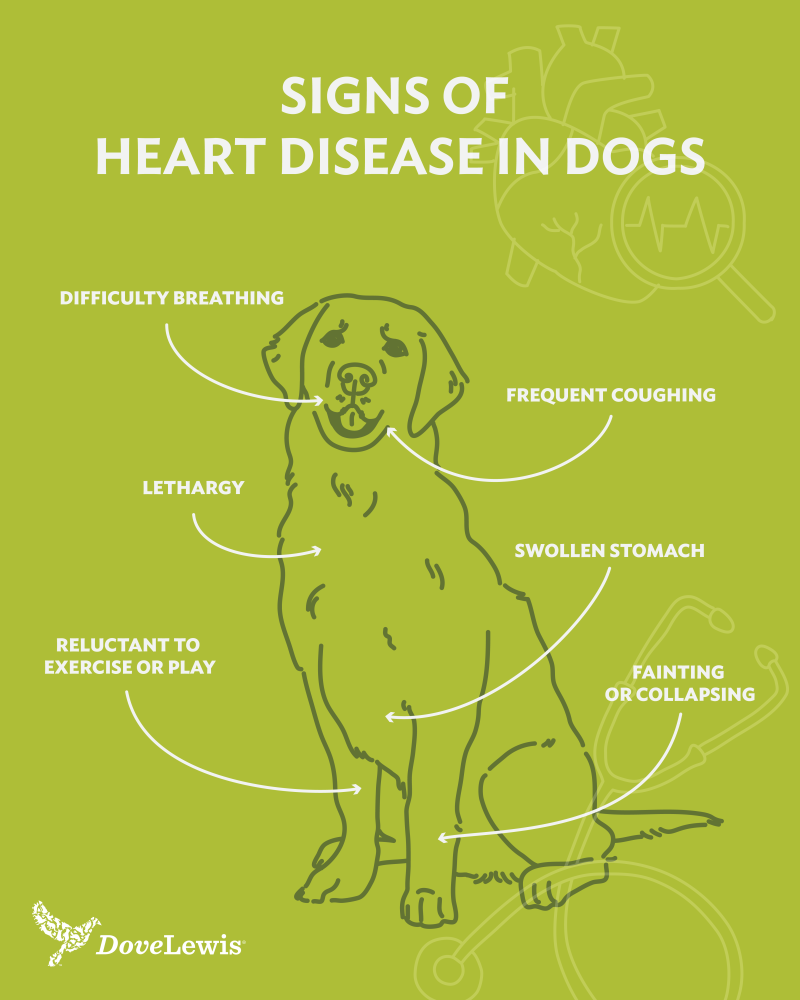 Common Signs of Heart Disease in Dogs
- Coughing: A persistent cough, especially after exercise, could indicate heart disease.
- Breathing Difficulties: If your dog seems winded after light activity or is breathing faster than usual, it may be because the heart isn’t pumping efficiently, leading to fluid buildup in the lungs.
- Fatigue or Weakness: Dogs with heart issues may tire easily and show less excitement for walks or playtime. Sudden weakness or collapse, particularly after activity, is serious and requires prompt veterinary care.
- Swollen Abdomen: Fluid can accumulate in the belly when the heart isn’t working properly, causing noticeable bloating.
- Reduced Appetite or Weight Loss: A loss of appetite and gradual weight loss can accompany progressing heart disease.
- Fainting or Collapsing: These episodes may happen due to irregular heartbeats or reduced blood flow to vital organs and should always be evaluated by a veterinary cardiologist immediately.
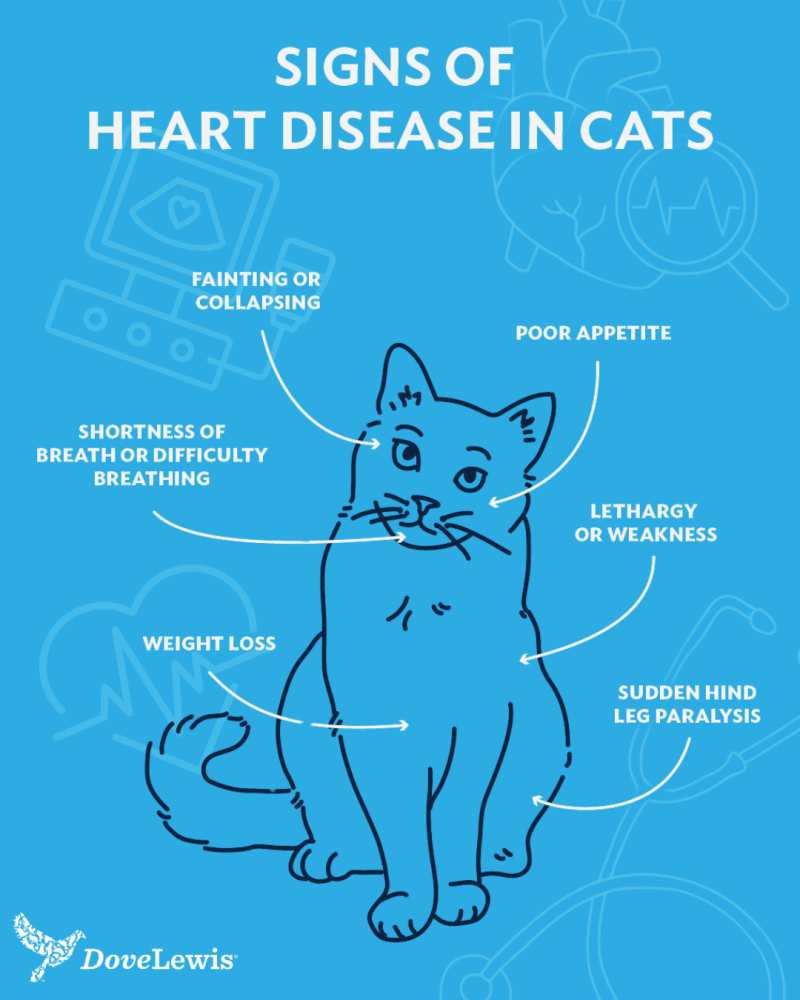 Common Signs of Heart Disease in Cats
- Lethargy or Low Energy: If your cat isn’t as playful or active as usual, this could be a sign their heart is under strain.
- Loss of Appetite: Eating less, or refusing food entirely, can indicate an underlying heart problem.
- Trouble Breathing: Labored or rapid breathing, or a hunched posture to make breathing easier, may point to fluid buildup from heart disease.
- Weight Loss: Unexplained weight loss, even when eating normally, can be a subtle warning sign.
- Hind Leg Weakness or Paralysis: In more advanced cases, blood clots can form in the heart and travel to the legs, causing a condition called saddle thrombus, which can lead to hind leg weakness or paralysis.
How Heart Disease is Diagnosed
If you notice any of these signs, seeing a veterinarian—or a veterinary cardiologist—is important. Diagnosis may include:
- Blood Tests: To uncover underlying conditions that affect the heart.
- Chest X-rays: To check heart size and fluid in the lungs.
- Electrocardiogram (ECG): To detect irregular heartbeats.
- Echocardiogram (Heart Ultrasound): To assess heart structure and function.
- Blood Pressure Checks: High blood pressure can strain the heart and worsen the disease.
Treatment depends on the type and severity of heart disease. Medications may help regulate heart rate, control blood pressure, or reduce fluid buildup. Some pets may require surgery or specialized procedures.
Supporting Your Pet’s Heart Health
While not all heart disease can be prevented, especially when it’s genetic or age-related, you can take steps to help your pet’s heart stay strong:
- Regular Checkups: Routine vet visits can catch heart problems early.
- Healthy Weight: Extra pounds put stress on the heart.
- Watch for Changes: Small shifts in behavior, appetite, or energy can signal a heart issue.
- Heart-Friendly Diet: Your vet may recommend a diet or supplements, like omega-3 fatty acids, to support cardiac health.
Heart disease can affect pets of all ages and breeds, and its signs are often easy to miss. The earlier we catch it, the more we can do to help your pet live a happy, active life.
Your pet’s heart matters to us. At DoveLewis, our veterinary cardiology team is ready to provide expert care, guidance, and support whenever it’s needed.