
Top Winter Care Tips for Your Pets
We often worry about pets in hot cars during summer—but cold weather can be just as dangerous. Frostbite, hypothermia, and hidden winter hazards can affect even the hardiest dogs and cats. Follow these tips to keep your pets safe, comfortable, and healthy all season long.
Create a Cozy Indoor Space
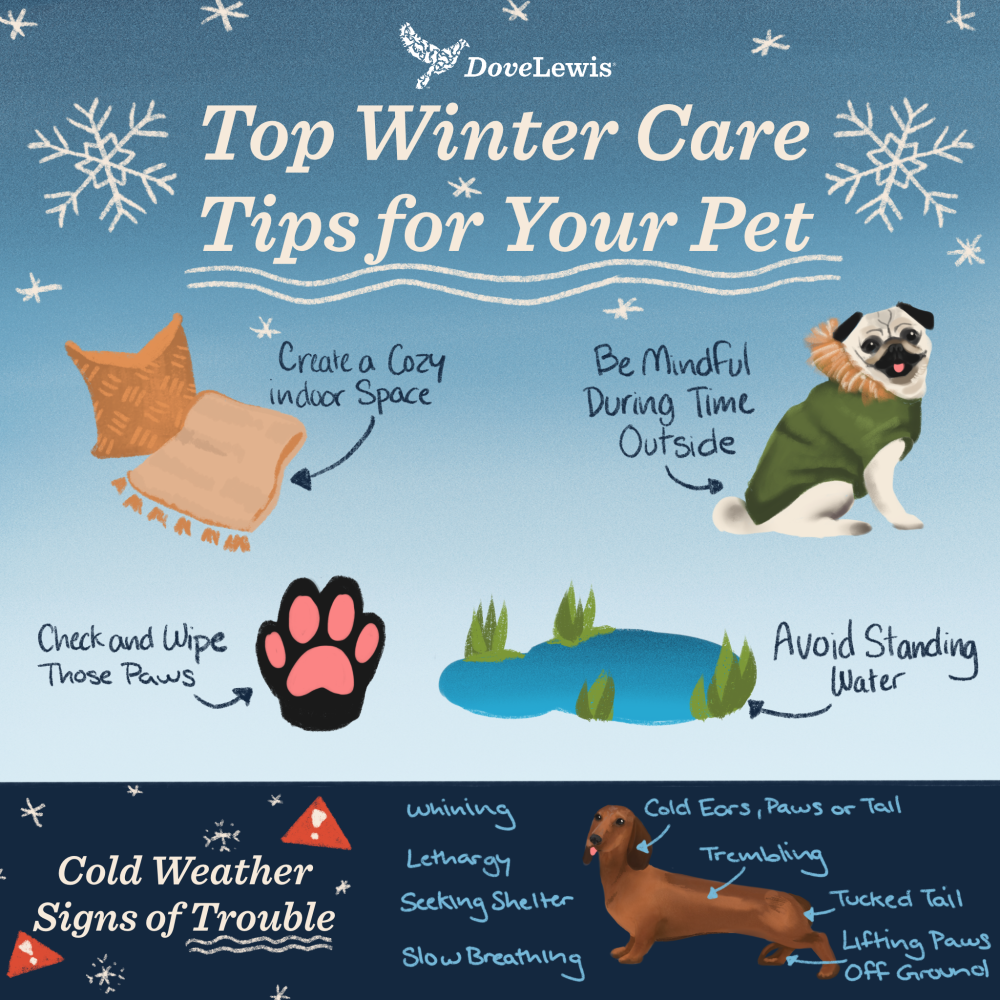
Winter often means more time indoors. Make sure your pets have a warm, comfortable retreat away from drafts. Soft beds, blankets, or a favorite cozy corner give them a safe place to rest and relax.
Layer Up for Outdoor Adventures
If your pets love outdoor play, consider a weather-appropriate jacket—especially for small breeds or short-haired dogs that feel the cold faster. Keep walks fun but short in colder temperatures.
Watch Those Paws
Check your pet’s paws for cracks, bleeding, or ice buildup. Wipe feet, legs, and bellies after walks to remove salt, chemicals, or snow. Pet-safe booties can prevent injury, and trimming excess fur between paw pads helps reduce ice buildup.
Be Mindful During Time Outside
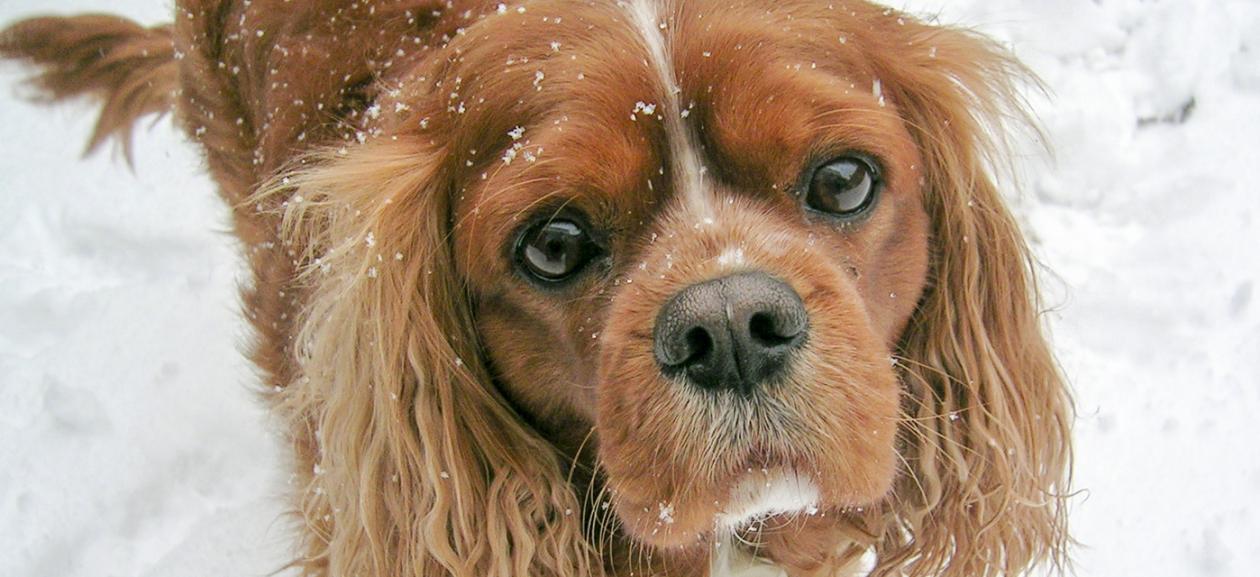
As a rule of thumb: if it’s too cold for you, it’s too cold for your pet. Shorten walks in cold weather, watch for signs of distress, and keep an eye on older, small, or thin animals—they feel the cold faster.
Avoid Standing Water
Puddles, lakes, and other standing water can carry parasites or toxins. Bring fresh water for your pet and discourage them from drinking from outdoor sources.
Watch Out for Winter Chemicals
Chemicals used to melt snow or protect gardens in the winter are dangerous to pets. Keep a close eye on pets when they are outside and store all chemicals out of reach. Wipe your pet’s feet, legs, tails, and stomachs when returning from walks so they don’t have a chance to lick off any potential toxins that may have stuck on them.
Balanced Nutrition
Cold weather can make pets burn more energy to stay warm. Adjust diets if needed and provide high-quality, well-balanced food. Consult your veterinarian to ensure your pet’s nutritional needs are met.
Keep Your Pet Hydrated in Cold Weather
Indoor heating can dry the air and contribute to dehydration. Make sure fresh water is always available, even in cold weather.
Don’t Leave Pets in the Car
Cold cars act like a refrigerator. Young, old, ill, or thin pets are especially at risk. Always bring your pet inside rather than leaving them in a chilly vehicle.
Don’t Forget About a Vet Check-Up
Winter checkups are ideal for addressing concerns, updating vaccinations, and discussing preventive care for cold-related issues like joint stiffness or dry skin.
Cold Weather Signs of Trouble
Watch for warning signs—they can appear before you realize there’s a problem:
- Shivering or trembling
- Slow or labored breathing
- Lethargy or difficulty moving
- Whining or vocalizing discomfort
- Tucked tail or seeking shelter
- Lifting paws off the ground
- Cold ears, paws, or tail
Long-haired or thick-coated dogs tend to be more cold-tolerant but are still at risk in cold weather. Short-haired pets feel the cold faster because they have less protection, and pets lower to the ground may become colder faster because their bodies are more likely to encounter snow or ice.
If you believe that your animal may have ingested a toxic substance, contact your local veterinarian or the ASPCA Animal Poison Control Center at 1-888-426-4435.
If your pet isn’t feeling well or you notice any sudden changes, don’t wait—reach out to your vet or call DoveLewis at 503-228-7281.

Recent Posts
Halloween Pet Safety Tips
Fright night might be fun for humans, but it can be frightfully scary—and even dangerous—for pets. Veterinarians at DoveLewis want to remind pet owners to be mindful of the various ways Halloween can pose a threat to animals.