
Tips to Protect Your Pet This Thanksgiving
Thanksgiving is a special time to gather with family and friends—but it can also be a tricky holiday for pets. While we humans look forward to all the food, pets can easily get into trouble, and every year, DoveLewis sees emergencies caused by holiday treats. The good news? Most of these issues can be prevented with a little planning.
“Most problems pets face during the holidays are preventable,” says Jessica Waters, CVT. “The biggest culprit is usually fatty foods. Keep your pets away from your dinner plate, secure the garbage, and be aware of foods that can be dangerous.”
Here’s what you can do to keep your pets safe and your holiday stress-free.
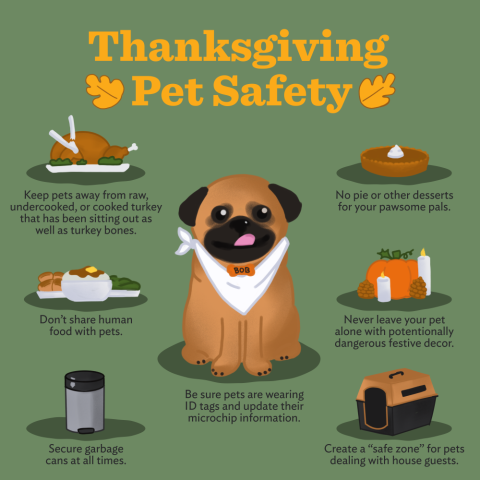
Don’t share human food with pets
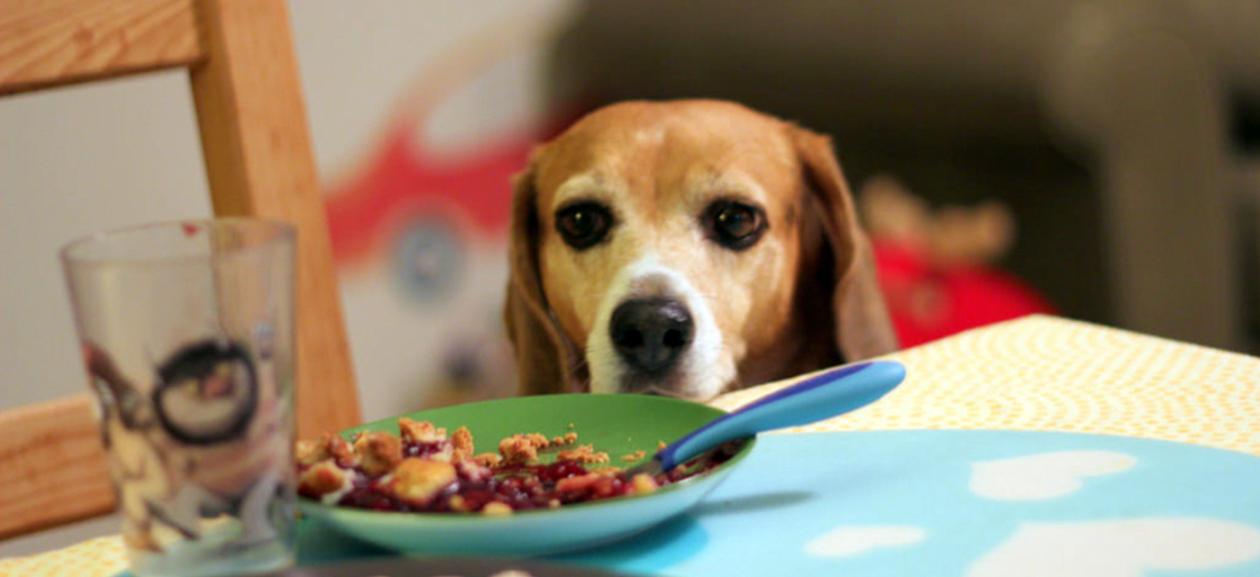
It’s tempting to share, but giving pets table scraps can lead to everything from upset stomachs to serious problems like pancreatitis or blockages. Poultry bones can splinter, chocolate and grapes are toxic, and even secret ingredients in family recipes can be harmful. When it comes to Thanksgiving food, it’s always safest to say no.
Handle turkey safely
Raw or undercooked turkey can carry salmonella, and even cooked turkey left out too long can be risky. Never let pets chew on turkey bones—they can splinter and get stuck in the throat or digestive tract. Signs that something’s wrong can include vomiting, diarrhea, loss of appetite, or unusual behavior. Some bones pass safely, but others may require surgery.
Keep desserts and dough out of reach
Chocolate, xylitol (in sugar-free goodies), and yeast dough can all be dangerous. Make sure baked goods are safely stored while they cool or rise—curious noses and paws can lead to serious trouble fast.
Secure the trash
Holiday leftovers in the trash can be irresistible. Keep garbage out of reach to prevent pets from getting into scraps or bones that could make them sick.
Make your home pet-friendly
Thanksgiving isn’t just about food. Extra guests, decorations, and changes to your pet’s routine can be stressful.
- Decorations: Pinecones, needles, and certain plants can cause blockages or be toxic. Keep candles out of reach.
- Comfort zone: Give pets a quiet space to retreat if things get overwhelming.
- ID & microchips: With guests coming and going, pets can slip out. Make sure tags and microchip info are up-to-date.
- Travel: If bringing pets along, use a secure carrier or harness in the car, and talk to your vet about air travel.
Quick Action Can Save Lives
If you believe that your animal is ill or may have ingested a toxic substance, contact your local veterinarian or the ASPCA Animal Poison Control Center at 1-888-426-4435.
If your pet needs care, call your primary veterinarian if they’re available, or reach out to DoveLewis at 503‑228‑7281. You can also walk in anytime—our veterinary team is ready to help 24/7.