
Winter Playtime: Indoor Ideas for Your Pets
Cold weather, icy sidewalks, and shorter days don’t have to mean a bored or restless pet. While outdoor walks and playtime are important, winter is the perfect opportunity to bring the fun indoors—safely and thoughtfully. These indoor activities keep pets physically active, mentally stimulated, and healthy.
Interactive Playtime
Why it matters: Physical activity helps maintain a healthy weight, cardiovascular health, and joint function in both dogs and cats.
- Dogs: Tug toys, soft fetch balls, or hide-and-seek games can burn energy indoors. Avoid high-impact jumping on slippery floors, especially for large or older dogs, to reduce the risk of joint injury.
- Cats: Wand toys, feather teasers, and laser pointers satisfy hunting instincts. Always supervise laser play and finish sessions with a tangible toy or treat so your cat experiences a sense of completion.
Puzzle Toys and Food-Dispensing Games
Why it matters: Mental stimulation reduces boredom, anxiety, and destructive behaviors. Treat puzzles also slow down fast eaters, supporting digestive health.
- Options: Treat-dispensing balls, snuffle mats, and interactive feeders.
- Tips: Introduce one puzzle at a time to avoid stress or overeating. Supervise new toys initially to ensure they are safe and durable for your pet’s size and chewing habits. Adjust daily food portions to account for calories in puzzle treats.
Training Sessions
Why it matters: Training reinforces good behavior, strengthens the human-animal bond, and provides mental exercise.
- Dogs: Teach new commands (“roll over,” “high five”) or practice obedience skills. Short, frequent sessions (5–10 minutes) are more effective than long ones.
- Cats: Clicker training encourages use of scratching posts or teaches tricks. Keep treats small to avoid excess calorie intake.
Safe Indoor Obstacle Courses
Why it matters: Controlled physical activity promotes coordination and helps burn energy.
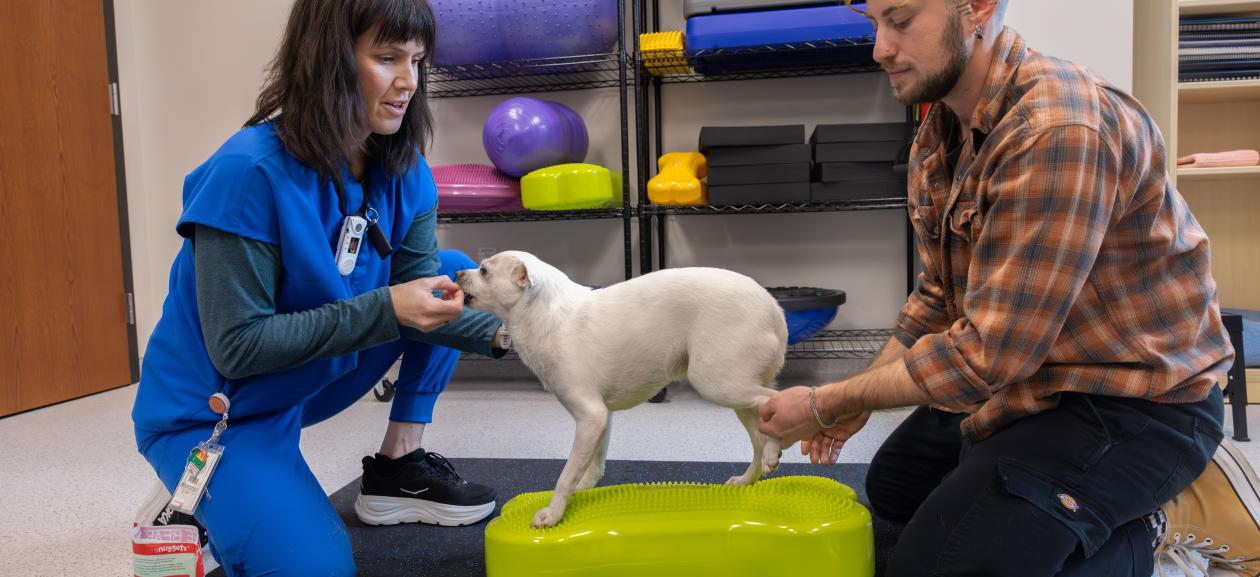
- Dogs: Use pillows, tunnels, or chairs to create mini agility courses. Avoid slippery floors, high jumps, or hard landing surfaces, especially for pets with hip, knee, or joint issues.
- Cats: Cardboard boxes, paper bags, and climbing towers provide climbing and hiding opportunities. Ensure boxes are clean and free from staples, tape, or other hazards.
Sensory Enrichment
Why it matters: Engaging senses supports mental health and prevents boredom.
- Smell games: Hide treats for dogs to sniff out, or place small amounts of catnip in different areas for cats who respond.
- Sounds and videos: Calm music or pet-friendly videos can entertain and soothe anxious pets, particularly when outdoor stimulation is limited.
Quiet, Cozy Time
Why it matters: Mental stimulation is important, but rest and bonding are equally crucial for health and happiness.
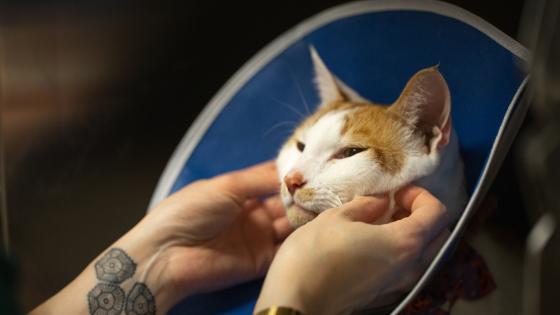
- Options: Cuddling, gentle brushing, or massage can reduce stress and support circulation. Avoid aggressive massage on arthritic or injured areas—consult your veterinarian if unsure. Brushing also prevents matting and reduces shedding indoors.
Tips for Safe Indoor Fun
- Monitor activity: Don’t let pets overexert, especially on slippery surfaces.
- Keep small items away: Household objects or small toys may pose choking hazards.
- Adjust for health needs: Older pets, or those with arthritis, heart disease, or orthopedic conditions, may need gentler, low-impact play.
- Supervise: Always monitor new toys or activities to prevent accidents or ingestion of unsafe items.
With thoughtful planning and supervision, indoor winter activities can keep pets active, happy, and healthy—even when the weather outside is frightful!