Portland Cat Survives Over 50 Hours on a Ventilator at DoveLewis
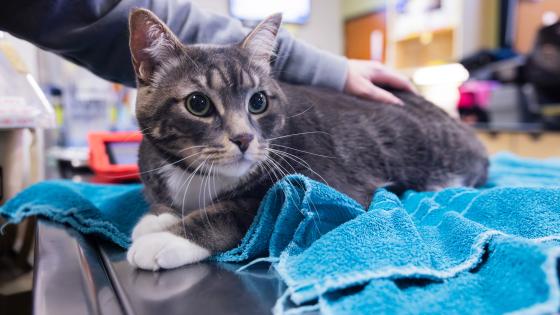
PORTLAND, OR – Briceson, a Portland cat with a history of chronic airway disease and heart disease, almost didn’t make it after a sudden respiratory crisis left him struggling to breathe. When his breathing rapidly worsened at home, his family rushed him to DoveLewis 24/7 Animal Hospital, where the emergency team immediately recognized how serious his condition had become.
Despite initial treatment and oxygen support, Briceson’s breathing continued to decline. He developed severe respiratory distress and began showing signs that he could no longer safely breathe on his own. The DoveLewis team intubated Briceson and placed him on mechanical ventilation, giving his body time while doctors worked to treat the possible causes of his respiratory failure.
For more than 50 hours, Briceson relied on a ventilator to help him breathe.
His case was complicated from the start. Briceson had both heart disease and suspected feline asthma, and the team was working through several serious possibilities at once. The changes seen in his lungs raised concern for possible fluid buildup, pneumonia, worsening airway disease, or another underlying lung problem. At the same time, his body was dehydrated, his kidney values were changing, and his electrolytes were abnormal. Every treatment had to be carefully balanced. Medication that could help his breathing or heart could also affect his kidneys, and giving too much fluid could make his lungs worse.
Through it all, doctors and technicians monitored him around the clock, adjusting the ventilator, managing sedation, supporting his hydration and nutrition, and watching closely for even small changes.
His recovery was far from certain. Early attempts to help him breathe without the ventilator were difficult, and after he came off ventilation, Briceson was not acting like himself. The team was concerned about whether his brain had been affected during the crisis. But slowly, he began showing signs of improvement. His breathing became steadier. He needed less oxygen. He became more alert. Then he started eating, vocalizing, and interacting with the team caring for him.
And while Briceson was not exactly known to love the vet, he began accepting comfort, and even cuddles, from the team who helped save him.
“There were moments when we really weren’t sure Briceson would pull through,” said Dr. Moe Saha, DoveLewis Emergency & Critical Care Resident. “The ventilator gave his body a chance to rest while we cared for everything else. When he started breathing on his own again, it was a huge step. Getting to see his family take him home was the moment we’d all been hoping for.”
After six days in the hospital, including over 50 hours on mechanical ventilation, Briceson was finally strong enough to go home. He was discharged with medications to support his heart and airway disease, along with a plan for follow-up care through DoveLewis Cardiology.
Now, Briceson is back home with his family and feeling better than they ever hoped. His family says he is doing incredibly well, even better than before the emergency. He spends his days purring, asking for nonstop cuddles, and even tolerating extra affection from his younger cat brother.
###

Recent Posts
Halloween Pet Safety Tips
Fright night might be fun for humans, but it can be frightfully scary—and even dangerous—for pets. Veterinarians at DoveLewis want to remind pet owners to be mindful of the various ways Halloween can pose a threat to animals.