

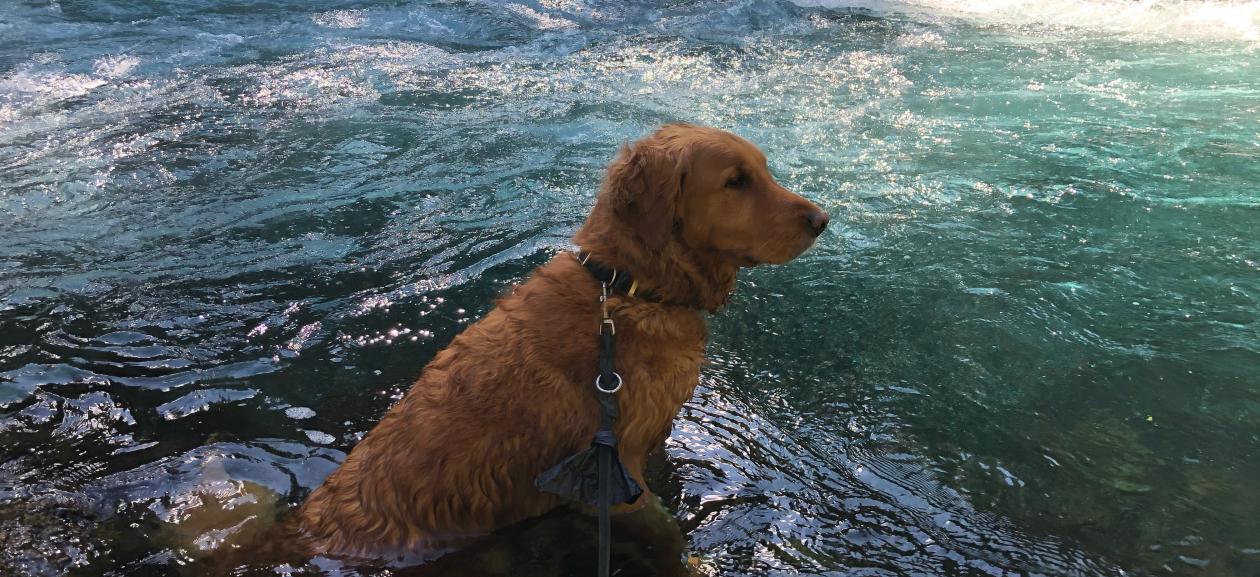
Hit the Trail Safely: A Guide to Hiking with Your Dog
There's nothing quite like exploring the Pacific Northwest with your dog by your side. Whether you're heading to a neighborhood trail or a mountain hike, getting outdoors together is a great way to exercise, bond, and enjoy nature.
A little preparation can make the difference between a memorable adventure and an unexpected trip to the emergency veterinarian. Before you hit the trail, keep these tips in mind.
Pack the Essentials
Bringing the right gear helps keep both you and your dog comfortable. Don't forget to pack:
- A sturdy leash and well-fitted harness
- Plenty of fresh water and a collapsible bowl
- High-value treats or snacks
- Waste bags
- A basic pet first aid kit
- Your dog's medications, if needed
Avoid letting your dog drink from streams, lakes, puddles, or other natural water sources. Standing water can contain bacteria, parasites, or harmful algal blooms that can make pets seriously ill. Before heading to a lake or river, check for local advisories about harmful algae and always bring enough fresh water for both you and your dog.
Stay Safe on the Trail
Keeping your dog leashed helps protect everyone, including your pet. Even well-trained dogs can become distracted by wildlife, unfamiliar dogs, bicycles, or horses. A leash helps prevent dangerous encounters and protects local wildlife.
Pay attention to how your dog is feeling throughout the hike. Frequent panting, slowing down, reluctance to continue, excessive drooling, or seeking shade may all be signs that your dog is overheating. On hot days, hike during the cooler morning or evening hours, take frequent breaks in the shade, and offer water often.
If your dog begins showing signs of heatstroke, such as excessive panting, weakness, vomiting, or collapse, seek veterinary care immediately. Heatstroke is a medical emergency.
Protect Those Paws
Trails can be tough on paws. Before and after your hike, check your dog's feet for cuts, cracked paw pads, foxtails, thorns, or small rocks lodged between the toes. Foxtails are particularly dangerous because they can burrow into the skin and continue migrating through the body. They can also become lodged in the ears, nose, or eyes, requiring veterinary treatment.
Consider using a pet-safe paw balm or protective booties on especially rocky or hot trails. Remember that exposed rock and pavement can become much hotter than the surrounding air and can burn paw pads.
Know When to Turn Around
Sometimes the safest decision is ending the hike early. If your dog develops vomiting, diarrhea, limping, excessive panting, weakness, collapse, or any sudden change in behavior, stop hiking and seek veterinary care as soon as possible.
If your dog becomes injured or is unable to continue, avoid encouraging them to walk out. Carry them if it's safe to do so, or seek assistance if needed, as continuing to hike on an injured limb can make the injury worse.
If you believe your pet has eaten something toxic, contact the ASPCA Animal Poison Control Center (888-426-4435) or head to your nearest emergency veterinarian.
With a little planning, hiking can be a safe and rewarding activity for both you and your dog. Choosing the right trail, packing the essentials, and paying attention to your dog's needs will help ensure every adventure ends with tired legs, happy memories, and a wagging tail.

Recent Posts

Halloween Pet Safety Tips
Fright night might be fun for humans, but it can be frightfully scary—and even dangerous—for pets. Veterinarians at DoveLewis want to remind pet owners to be mindful of the various ways Halloween can pose a threat to animals.

What To Do If Your Pet Eats Something Toxic
Many human foods are toxic to animals and can pose severe health risks if ingested. Let’s walk through some common foods that your furry friends should avoid and learn what to do if they accidentally indulge in something they can’t have.