
DoveLewis Uses Dialysis-like Treatment to Save Dog After Ibuprofen Poisoning
PORTLAND, Ore. – A Hood River family made a desperate late-night drive to Portland after discovering their two dogs had gotten into a bottle of ibuprofen. By the time they arrived at DoveLewis 24/7 Animal Hospital, one of the dogs, Sequoia, was showing signs of life-threatening poisoning. Veterinarians immediately turned to a highly advanced treatment available at only a limited number of veterinary hospitals to save her life.
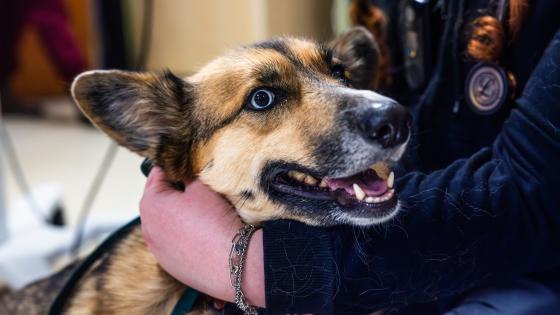
The family initially did not know which dog had consumed the medications. However, Sequoia soon vomited pieces of the ibuprofen bottle, while Mosby showed no evidence of ingestion. As Sequoia became increasingly unsteady and lethargic, the family realized they were in a race against time.
Veterinarians estimated Sequoia had ingested a massive dose of ibuprofen, far exceeding the amount known to cause life-threatening toxicity in dogs. On arrival, she was already showing neurologic signs including stumbling, lethargy, and heightened sensitivity to touch. Without rapid intervention, she faced a high risk of severe kidney injury, stomach ulceration, seizures, and even death.
With time running short, the DoveLewis Critical Care team recommended therapeutic plasma exchange (TPE). Similar to dialysis, TPE uses a specialized machine to circulate blood outside the body. Instead of filtering the blood like dialysis, it removes the toxin-filled plasma and replaces it with donor plasma.
"This was one of those cases where we had a small window to change the outcome," said Dr. Hannah Marshall, DoveLewis Critical Care Specialist. "We were able to use therapeutic plasma exchange to remove the toxin before it caused irreversible damage. It's an advanced treatment that's available at relatively few veterinary hospitals, and in Sequoia's case, it made all the difference."
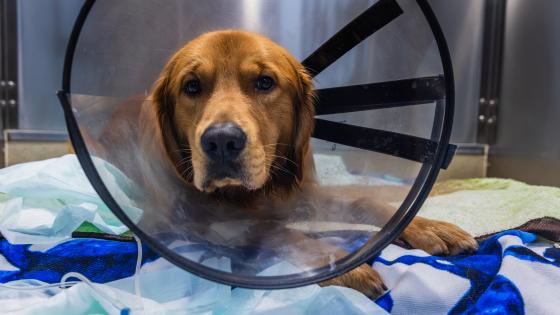
After the four-hour procedure, Sequoia spent the night in the ICU. Although she developed a mild kidney injury that later resolved, her neurologic signs disappeared, her appetite returned, and she was able to go home with her family the following day. Today, her family reports she has made an excellent recovery and is back to her happy, goofy self.
Because it was unclear whether Mosby had consumed any of the medications, he was also hospitalized overnight to monitor his symptoms. He remained symptom-free throughout his stay and was discharged home with normal bloodwork.
"This story had a happy ending because the family acted quickly," Dr. Marshall said. "If you think your pet has gotten into a medication, don't wait for symptoms to appear. The sooner we can start treatment, the better the chances for a full recovery."
Ibuprofen is one of the most common human medications involved in accidental pet poisonings. Even a few tablets can cause stomach ulcers and kidney damage in dogs, while larger doses can result in seizures, coma, and death. DoveLewis encourages pet owners to keep all medications, supplements, vitamins, and cannabis products securely stored out of reach of pets.
If an animal is suspected of ingesting a potentially toxic substance, pet owners should contact their veterinarian, DoveLewis, or the ASPCA Animal Poison Control Center immediately.
###