
Beware of Sticks: How Outdoor Fun Can Turn Dangerous For Dogs
Whether it’s a game of fetch, a hike through the woods, or your dog sprinting through a brush pile in the yard, sticks are a common part of outdoor play. But while they may seem harmless, sticks can cause serious injuries that are painful, traumatic, and sometimes life-threatening.
Odin’s Scary Encounter

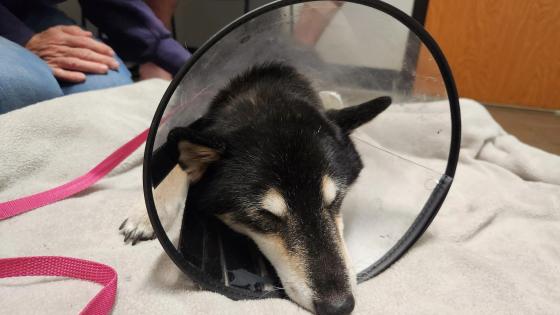
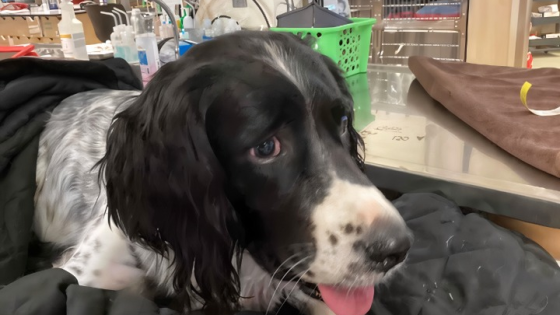
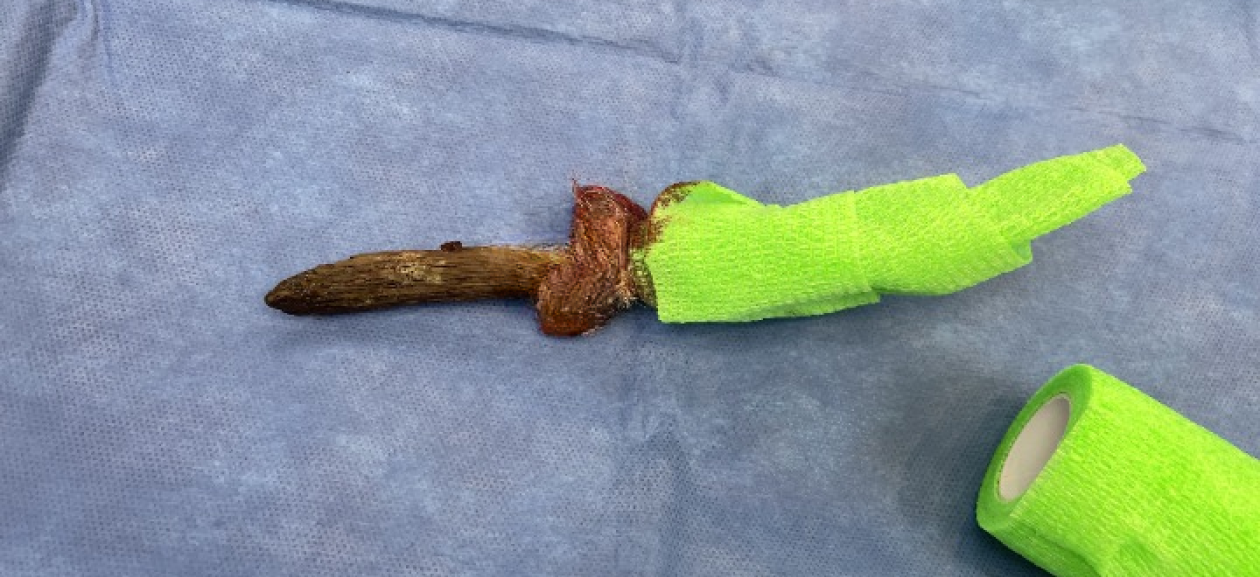
Odin, a 5-year-old English Springer Spaniel, was playing in his backyard when his family heard him cry out. They found Odin with a 12-inch stick impaled in his chest.
His family acted quickly and brought him to DoveLewis, where he underwent emergency surgery. Thankfully, Odin recovered and is now doing well at home. His story is an important reminder that stick injuries can happen quickly, even during normal backyard play.
Why Sticks Can Be Dangerous for Dogs
Many people think of sticks as a natural toy for dogs, especially during fetch. But sticks can break, splinter, shift unexpectedly, or become hidden hazards in grass, brush, or wooded areas. Common stick-related risks include:
- Puncture wounds: Dogs can run into sticks or branches, causing deep wounds to the chest, neck, mouth, abdomen, or limbs.
- Mouth and throat injuries: A dog running with or catching a stick can suffer cuts, impalement injuries, or damage to the tongue, gums, throat, or soft palate.
- Internal injuries: If a stick penetrates the body, it can damage muscles, organs, blood vessels, or other internal structures.
- Splinters and foreign material: Small pieces of wood can become lodged in the mouth, throat, skin, or digestive tract.
- Choking or obstruction: Chewed pieces of stick can become choking hazards or, if swallowed, may cause irritation, blockage, or injury.
- Infection: Wood can carry dirt, bacteria, and debris into a wound. Even small punctures can become infected if not treated.
What to Do If Your Dog Gets Injured by a Stick
If your dog has a stick injury, especially if the stick is embedded, stay as calm as possible and seek veterinary care right away.
- Do not remove an embedded stick.
Pulling it out can cause more damage or worsen bleeding. Leave it in place and let a veterinary team remove it safely. - Limit movement.
Keep your dog as still and calm as you can, especially if the injury involves the chest, abdomen, neck, or mouth. - Go to an emergency veterinary hospital.
Stick injuries can look smaller on the outside than they are on the inside. Fast medical care can help reduce the risk of complications. - Watch for subtle signs.
Even if you don’t see a major wound, contact a veterinarian if your dog is bleeding, limping, coughing, drooling, gagging, pawing at their mouth, acting painful, or suddenly seems quiet or weak after playing with sticks.
Safer Ways to Play
You don’t have to avoid outdoor fun, but a few changes can make playtime safer:
- Avoid throwing real sticks for your dog to chase or catch. Use safer fetch toys, such as rubber balls, flexible discs, or rubber stick-style toys.
- Clear large branches, sharp sticks, and brush piles from areas where your dog runs and plays.
- Keep your dog leashed or close by in dense woods, heavy brush, or unfamiliar areas.
- Check your dog after hikes or rough play, especially around the mouth, chest, belly, and paws.
Keeping Outdoor Adventures Safe
Dogs love to run, explore, and play, and outdoor time is an important part of their physical and mental health. Being aware of stick-related risks can help you prevent avoidable injuries while still giving your dog plenty of safe ways to enjoy the outdoors.
Choosing safer toys, keeping play areas clear, and knowing when to seek emergency care can make a big difference if something unexpected happens.

Recent Posts

Halloween Pet Safety Tips
Fright night might be fun for humans, but it can be frightfully scary—and even dangerous—for pets. Veterinarians at DoveLewis want to remind pet owners to be mindful of the various ways Halloween can pose a threat to animals.