

Pet Health Blog

Fright night might be fun for humans, but it can be frightfully scary—and even dangerous—for pets. Veterinarians at DoveLewis want to remind pet owners to be mindful of the various ways Halloween can pose a threat to animals.
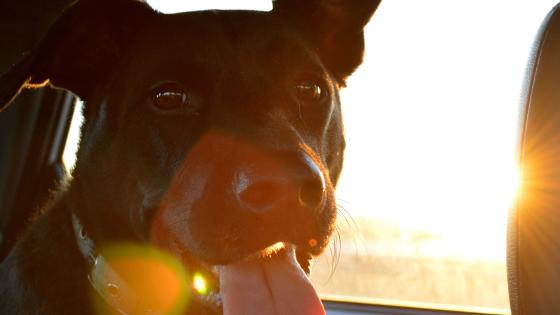
Is Your Pet Prepared for the Total Solar Eclipse?
An estimated one million people will travel to Oregon for this month’s total solar eclipse. As locals and tourists prepare, there’s one group that shouldn’t get overlooked – our pets.

Lilies Make a Dangerous Bouquet for Cats
Bold, beautiful lilies start to blossom in spring gardens and appear in Valentine’s Day, Mother’s Day and May Day bouquets. But did you know they can be poisonous and extremely toxic to cats?

Q&A: Medical Marijuana for Pets
While we know that marijuana is toxic to our furry friends, there are still many unknowns about the use of medical marijuana in veterinary medicine. DoveLewis Chief Medical Officer Lee Herold answers your questions about this controversial drug use for pets.
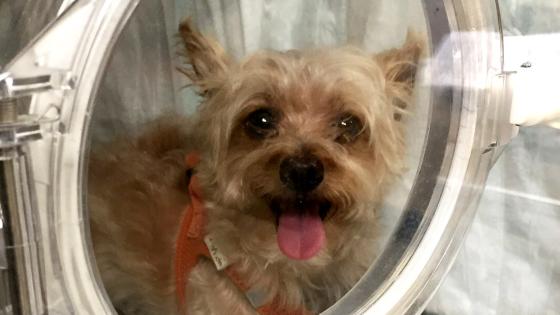
Respiratory Distress Requires Immediate Treatment
One of the most common and most serious symptoms treated by doctors at DoveLewis is respiratory distress, or breathing challenges. Whether an animal is having difficulty breathing or they are breathing excessively, this issue should be treated immediately.

Cigarettes, Cigars, Tobacco and Nicotine Are Toxic to Pets
Most people know that smoking is bad for your health, but how many of us think about the dangers of tobacco, cigarettes and smoking around pets?
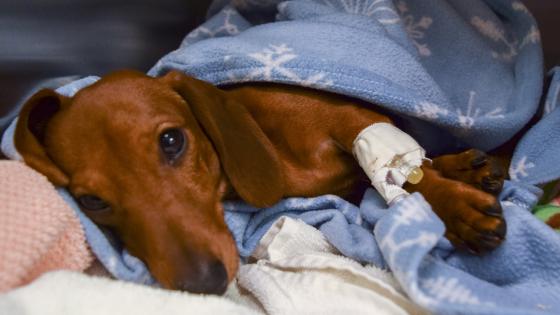
Parvovirus: What You Need to Know
Parvovirus is a potentially life-threatening illness, most commonly affecting young dogs between the age of 8 weeks and 1 year old. Highly contagious, the virus is transmitted through contaminated dog feces and can live for long periods of time in the environment (sometimes several years).
