

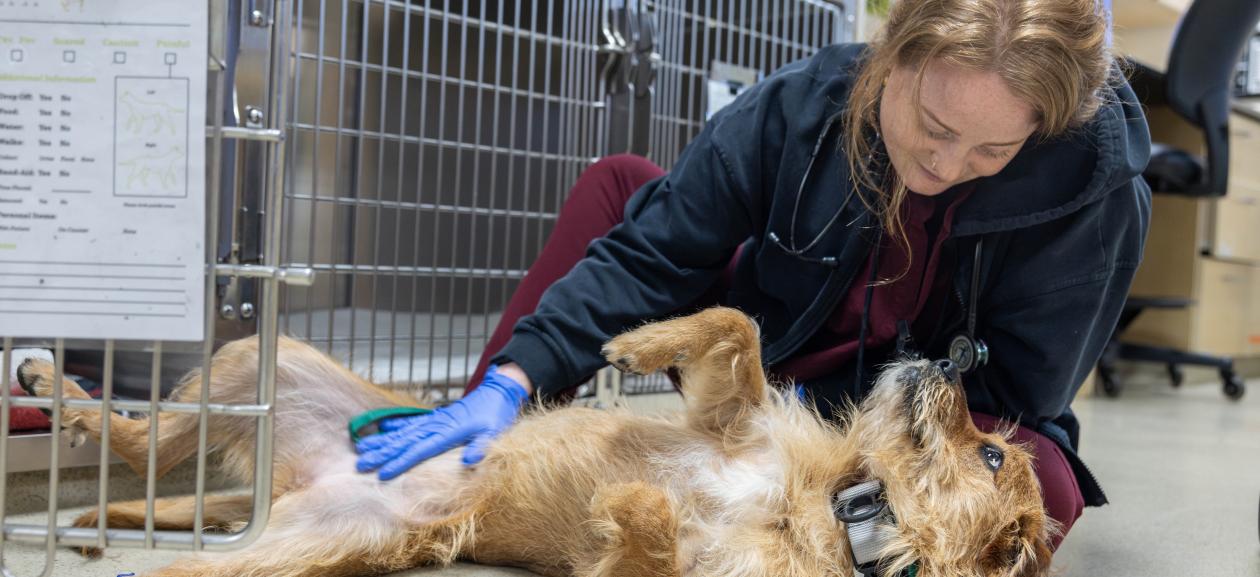
Protecting Your Pets: A Guide to Rat Poison Ingestion and Pet Safety
Realizing your pet may have eaten rat poison is a scary moment. These products can seriously harm dogs and cats, even in small amounts. Acting quickly can make all the difference.
If you suspect your pet has eaten rat poison, contact your veterinarian, head to an emergency animal hospital, or call an animal poison control service immediately, even if your pet seems fine. Do not wait for symptoms. Some poisons have delayed effects, and treatment can be more difficult once symptoms develop.
Why Rat Poison Is So Dangerous
Different types of rat poison, also called rodenticides, affect the body in different ways. Some interfere with blood clotting, others damage the nervous system, and some cause dangerously high calcium levels that can damage the kidneys and other organs. Identifying the active ingredient helps your veterinary team determine the right treatment.
Symptoms to Watch For
Symptoms depend on the active ingredient and may take hours or several days to appear. Possible signs include:
- Bleeding or bruising: Anticoagulant rodenticides interfere with blood clotting. Pets may develop nosebleeds, bleeding gums, blood in the urine or stool, or unusual bruising. Bleeding can also happen internally, where you may not see it.
- Neurological changes: Some rodenticides affect the nervous system, leading to tremors, seizures, difficulty walking, weakness, or paralysis.
- Gastrointestinal problems: Vomiting, abdominal discomfort, and decreased appetite can occur.
- Increased thirst or urination: Rodenticides containing vitamin D3 can raise calcium levels and damage the kidneys. Pets may drink or urinate more than usual.
- Weakness or lethargy: Your pet may seem unusually tired, wobbly, or reluctant to move.
- Breathing changes: Rapid or difficult breathing can signal a serious complication.
These signs require immediate veterinary attention, but suspected ingestion is reason enough to call even without symptoms.
What To Do Immediately
If you suspect rat poison ingestion, time matters.
- Prevent further exposure: Move your pet away from the poison and keep other animals away from the area.
- Call for veterinary guidance immediately: Contact your primary veterinarian, an emergency veterinary hospital, or an animal poison control service. Share your pet’s weight, what they may have eaten, approximately how much, and when it happened.
- Bring the packaging: If you can safely access it, bring the original container or take clear photos of the label and active ingredients. Do not delay seeking help while looking for it.
- Avoid home treatments: Do not induce vomiting or give medications or home remedies unless a veterinarian or animal poison control professional specifically instructs you to.
If your pet is having trouble breathing, experiencing seizures, bleeding, or collapsing, go directly to an emergency veterinary hospital.
Preventing Accidental Exposure
Reducing access to rodenticides is the best way to help prevent poisoning.
- Store safely: Keep rodenticides in their original containers in a locked cabinet pets cannot access.
- Reduce rodent activity: Seal entry points and remove accessible food sources. If traps are needed, place them where pets cannot reach them.
- Be mindful outdoors: Supervise your pet in areas where rodenticides may be used, and prevent access to bait and dead rodents.
- Talk to neighbors and pest control providers: Ask where rodent control products are being used and discuss ways to prevent pet exposure.
Know Where To Turn
Suspected rat poison ingestion needs immediate veterinary guidance even if your pet seems normal. Contact your veterinarian or ASPCA Poison Control at 888-426-4435, available 24/7. A consultation fee may apply.
DoveLewis is open 24/7 for walk-in emergency care. Call 503-228-7281 or come in right away if your pet needs emergency attention.

Recent Posts

Protecting Your Pets: A Guide to Rat Poison Ingestion and Pet Safety
Discovering that your pet has ingested rat poison can be a distressing situation for any pet owner. Rat poison, although designed to target rodents, poses a serious threat to our beloved pets.

Rainy Season Pet Safety: Hazards, Tips, and Symptoms
It’s that time of year when rain is the rule rather than the exception. With downpours frequently drenching our streets and backyards, the chances of encountering dirty puddles increases. And so do the hazards pets can face.
Halloween Pet Safety Tips
Fright night might be fun for humans, but it can be frightfully scary—and even dangerous—for pets. Veterinarians at DoveLewis want to remind pet owners to be mindful of the various ways Halloween can pose a threat to animals.
