Broken Bones in Dogs and Cats: When Fractures Need Orthopedic Surgery
Broken bones, also called fractures, can happen after falls, car accidents, rough play, animal bites, or other trauma. In dogs and cats, fractures can range from small cracks in the bone to severe injuries where the bone is displaced, unstable, or broken in multiple places.
Because pets may hide pain or try to keep moving despite an injury, it’s important to take sudden limping or changes in movement seriously.
Signs Your Pet May Have a Broken Bone
Signs of a possible fracture include:
- Sudden severe limping
- Not using a leg or holding it up
- Swelling or bruising
- Crying, shaking, or signs of pain
- A limb that looks bent or abnormal
- Wounds near the injured area
- Reluctance to move
- Hiding, weakness, or unusual behavior after an injury
If you think your pet may have a broken bone, seek veterinary care right away. Try to keep your pet as still and comfortable as possible, and avoid touching, straightening, or moving the injured area.
When Fractures May Need Surgery
Your veterinary team will usually begin with pain control, a physical exam, and X-rays to understand the type and severity of the fracture. Some fractures can heal with a splint, cast, rest, and close monitoring. Others need surgery to realign and stabilize the bone so it can heal properly.
Surgery may be recommended when:
- The bone pieces are out of place
- The fracture involves a joint
- The bone is broken in multiple places
- A splint or cast will not provide enough support
- The injury affects an area that carries a lot of weight or movement
Helping Pets Heal
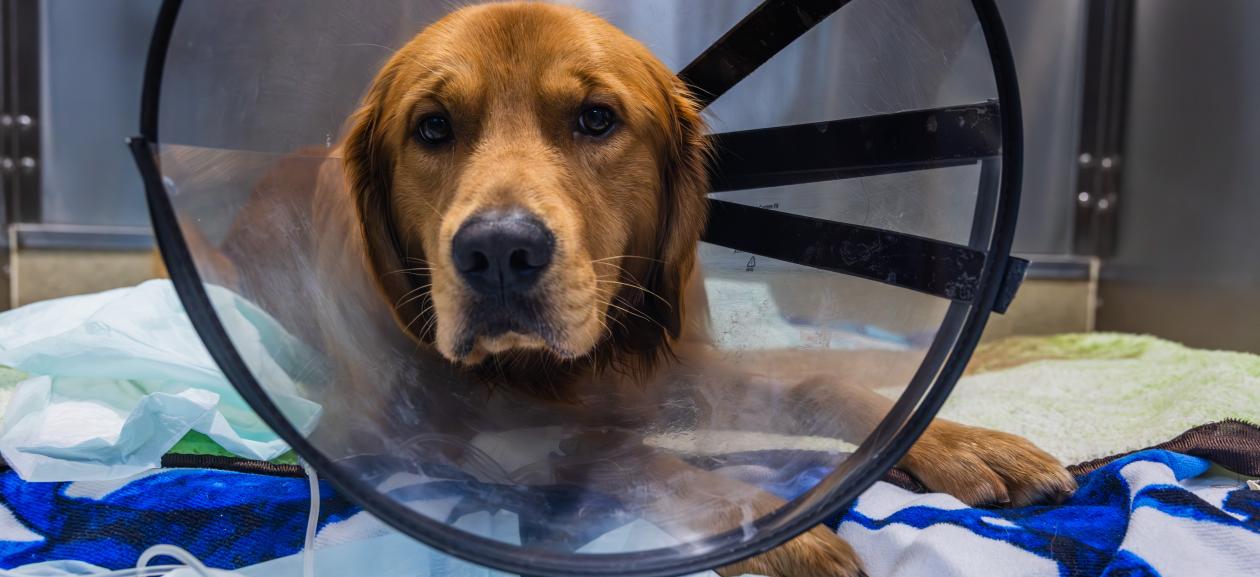
Whether your pet needs surgery or another form of treatment, recovery takes time and care at home. Your veterinary team will guide you through activity restrictions, pain management, and recheck appointments, including follow-up X-rays to monitor healing. The recovery timeline will depend on the fracture, your pet’s age and size, and the treatment used.
At DoveLewis, our orthopedic surgery team works closely with families and primary veterinarians throughout treatment and recovery, helping them understand what to expect as their pet heals. The goal is to help pets feel comfortable, regain mobility, and safely return to the activities they enjoy.
Recent Posts
Halloween Pet Safety Tips
Fright night might be fun for humans, but it can be frightfully scary—and even dangerous—for pets. Veterinarians at DoveLewis want to remind pet owners to be mindful of the various ways Halloween can pose a threat to animals.