

The Blood Bank
Humans aren’t the only ones who need blood in an emergency. Our volunteer teams of dogs and cats donate enough blood for 700+ transfusions every year at our hospital and other clinics. Can your pet help?
Could your dog be a Superhero?
While all pets are super, donor qualifications help us keep our Superhero donors healthy during their service.
- Dogs only (we recruit feline Superheroes from the households of veterinary professionals for their health and safety).
- 1 - 6 years old
- Weighs at least 55 pounds
- Current on vaccinations and flea and heartworm control
- Gentle disposition
- Has never had a blood transfusion
- Ability to make a two-year commitment
- Must donate four times per year (but no more than six)
Benefits
- Examination information, including your dog’s blood type, is entered into the DoveLewis database and shared with your family veterinarian
- Routine blood work (complete blood analysis and chemistry profile) once a year, and annual tick and flea-borne disease screening
- Complimentary initial exams at DoveLewis in the event of an emergency
- Physical exam prior to donation
- Blood transfusions for the donor, up to the number donated
- Discounted heartworm control available for purchase
- Yearly celebration for blood donors and retirees
Schedule an Appointment
Want to book your dog's next donation or discuss joining our community as a new blood donor?
Become a Superhero
Want to find out more about your dog becoming a blood donor to help save the lives of other animals?
(Only cats from the households of veterinary professionals can be donors for their safety.)
Host a Toy Drive!
Every Superhero picks a toy after their donation.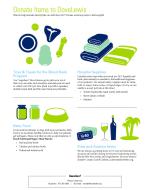
Support Our Superheroes
Help save the lives of animals in need.Your support ensures blood products are available when animals need them most. Be a lifeline today!
We Love Our Superheroes!
Show Our Superheroes Some Love
Shop the Blood Bank wishlist today!Support our lifesaving blood donors with gifts from our Blood Bank Wishlist. Your donations help keep our heroic dog and cat blood donors wagging their tails and purring contently as they contribute to countless lives saved. Check out our wishlist and make a difference today!
Saved by Superheros
Meet some of the patients whose lives were saved by our blood donors!Each year, our superheroes save lives. Meet some of the animals and hear from their grateful families.
Frequently Asked Questions
What is a community blood bank?
Community animal blood banks thrive thanks to kind-hearted pet owners who volunteer their pets to come in to donate, helping ensure that other pets in need can receive lifesaving blood. It's all about pet lovers coming together to make a big difference in the lives of animals!
Why is the blood bank needed?
All too often, injured or sick animals require blood transfusions as part of their treatment. DoveLewis provides blood products to veterinarians across the Portland Metro area, as well as throughout the state. Our blood bank supplies enough for 600 blood transfusions each year, but even that’s not enough. Without the participation of canine blood donors, animals in need might not be able to receive critical transfusions in time.
Do dogs and cats have different blood types?
Yes. Today, the veterinary community has not only recognized the many different blood groups for canines, but our understanding of what exactly happens to an animal when a transfusion is administered has revolutionized how we can be certain we are providing the right therapy for patients. There are over a dozen blood group systems that have been recognized in dogs; however, only six are clinically significant. These are referred to as dog erythrocyte antigens, with the abbreviation DEA followed by a number. So far, the recognized blood types in dogs are DEA 1:1, 1:2, 3, 4, 5, and 7. Basic blood types include DEA 1:1 negative and DEA 1:1 positive, while complete blood typing reveals if a canine is also positive or negative for the remaining antigens 3-7. DEA negative is the most common blood type; however, only one of the negative types is a true universal and that is DEA 4. For this reason, DEA 4 is the most beneficial blood type and the main blood type we screen for. Both positive and negative dogs are still eligible to donate. However, because positive blood types are not as common, we only need a limited number of positive donors. Cats on the other hand, have just two basic blood types, type “A” and “B.” Type “A” is much more common; 95% of housecats in America have type “A” blood. A third, type “AB,” is extremely rare.
